

The engineering behind decades of reliability
A well-built transformer does not last 10 years. It lasts 30. Some last longer. The difference between a unit that serves faithfully for three decades and one that causes problems within five is not luck, and it is not maintenance alone. It is a series of engineering decisions that were made correctly before the first weld, before the first winding, before the first test.
It begins with materials. The grade of CRGO steel chosen for the core determines the no-load losses that will run for the life of the unit. The decision between copper and aluminium for the windings affects conductivity, thermal behaviour, and how the transformer holds up through thousands of load cycles over the years. The insulation class sets the thermal ceiling, the point beyond which degradation accelerates. None of these decisions are interchangeable, and none of them can be corrected easily once the transformer is built and commissioned.
Design margins are where good engineering separates itself from adequate engineering. A transformer designed to perform at exactly its nameplate rating under ideal conditions will struggle the moment conditions are not ideal. In Indian industrial environments, that means heat that frequently exceeds standard design assumptions, dust, humidity, voltage fluctuations, and load profiles that bear little resemblance to the textbook. A unit designed with adequate margins handles all of this without compromise. A unit designed to the minimum does not.
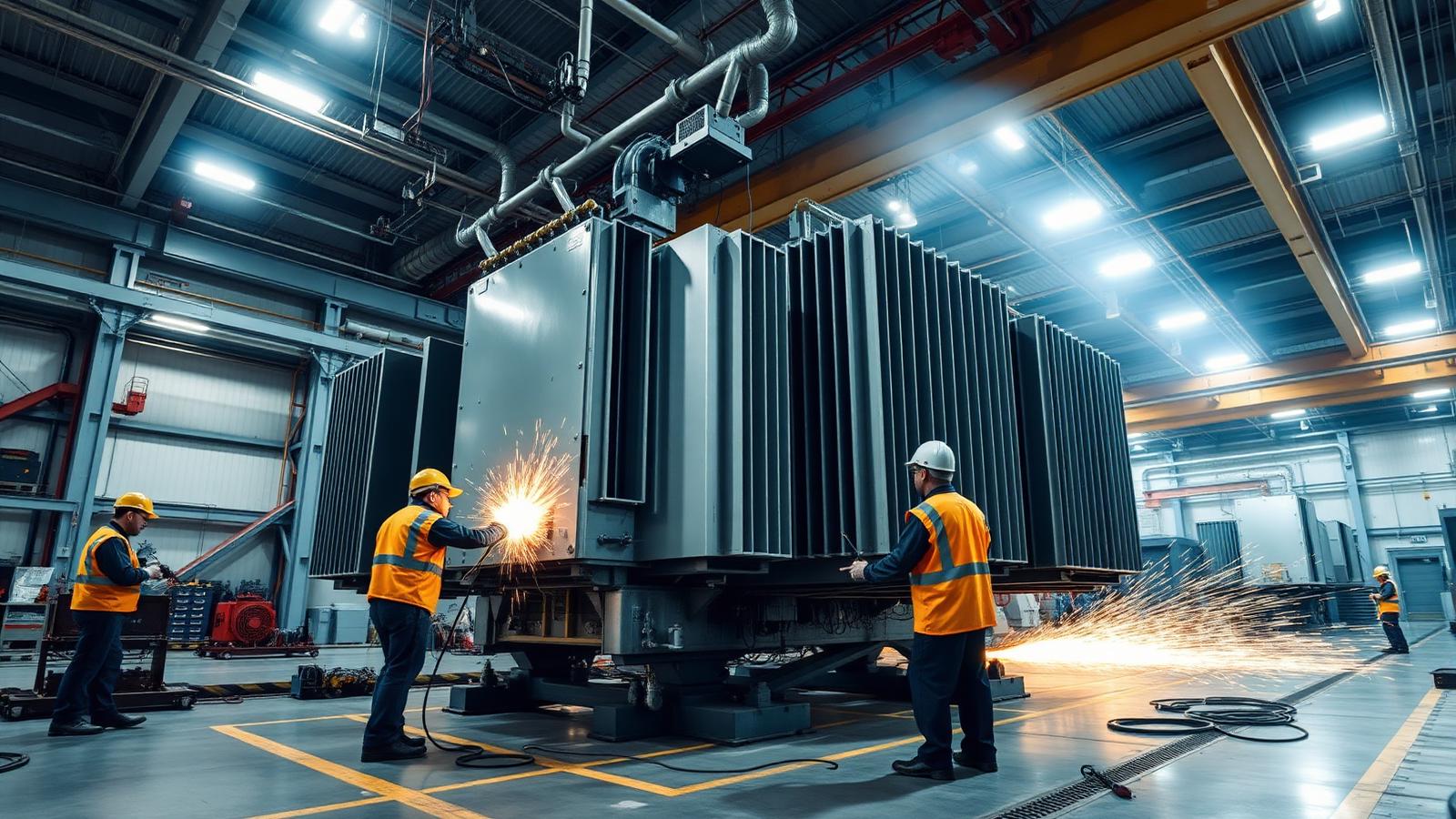
Then there is the factory. The best engineering specification on paper delivers nothing if the execution is imprecise. Core cutting tolerances affect no-load losses. Winding tightness affects mechanical strength under fault conditions. The quality of tank welds determines oil integrity across decades of thermal cycling. At every stage of manufacturing, a small error compounds. This is why the factory floor matters as much as the design office, and why process discipline in manufacturing is not a quality management concept but a direct contributor to transformer life.
Reliability is not a feature that gets added at the end. It is the result of a hundred small decisions made correctly, every single time.
TransVolt Takeaway
TransVolt transformers are designed specifically for Indian operating conditions, where ambient temperature, voltage variation, and load behaviour routinely exceed what international standard assumptions account for. Reliability here is earned, not assumed.
Tell us what your project demands. Our engineering team will help you specify the right transformer from the start.
Connect With TransVolt