

Learning from transformer failures
Transformer failures are rare. When they happen, they are expensive, operationally disruptive, and in almost every case that has been studied carefully, preventable. The failures teach far more than the successes. They document, precisely, which warning signs were present and went unaddressed, which maintenance steps were skipped, and which operating conditions were allowed to persist longer than they should have been. They are worth paying attention to.
Insulation breakdown is the leading cause of transformer failure globally. It is almost never sudden. It develops across months or years of compounding thermal stress, moisture ingress, and dielectric fatigue. Overheating, whether caused by overloading, inadequate cooling, or sustained high ambient temperature, accelerates every degradation mechanism simultaneously. Moisture in the oil is particularly dangerous because it destroys dielectric strength quickly and silently, without any visible external indication until something fails. Tap changer faults, especially in on-load tap changers that operate frequently, are a mechanical failure mode that progresses gradually and is entirely catchable during routine inspection.
What makes these failure modes particularly costly is that they are almost always preceded by warning signs that were visible and measurable, but were not acted on. Oil temperature trending upward month after month. Gas accumulating in the Buchholz relay. A change in the sound the transformer produces under load, a shift in pitch or a new vibration that was not there before. Oil that has darkened or developed an unusual smell. None of these are normal operating conditions. Each one is the transformer communicating, clearly and repeatedly, that something inside is changing in a direction it should not.
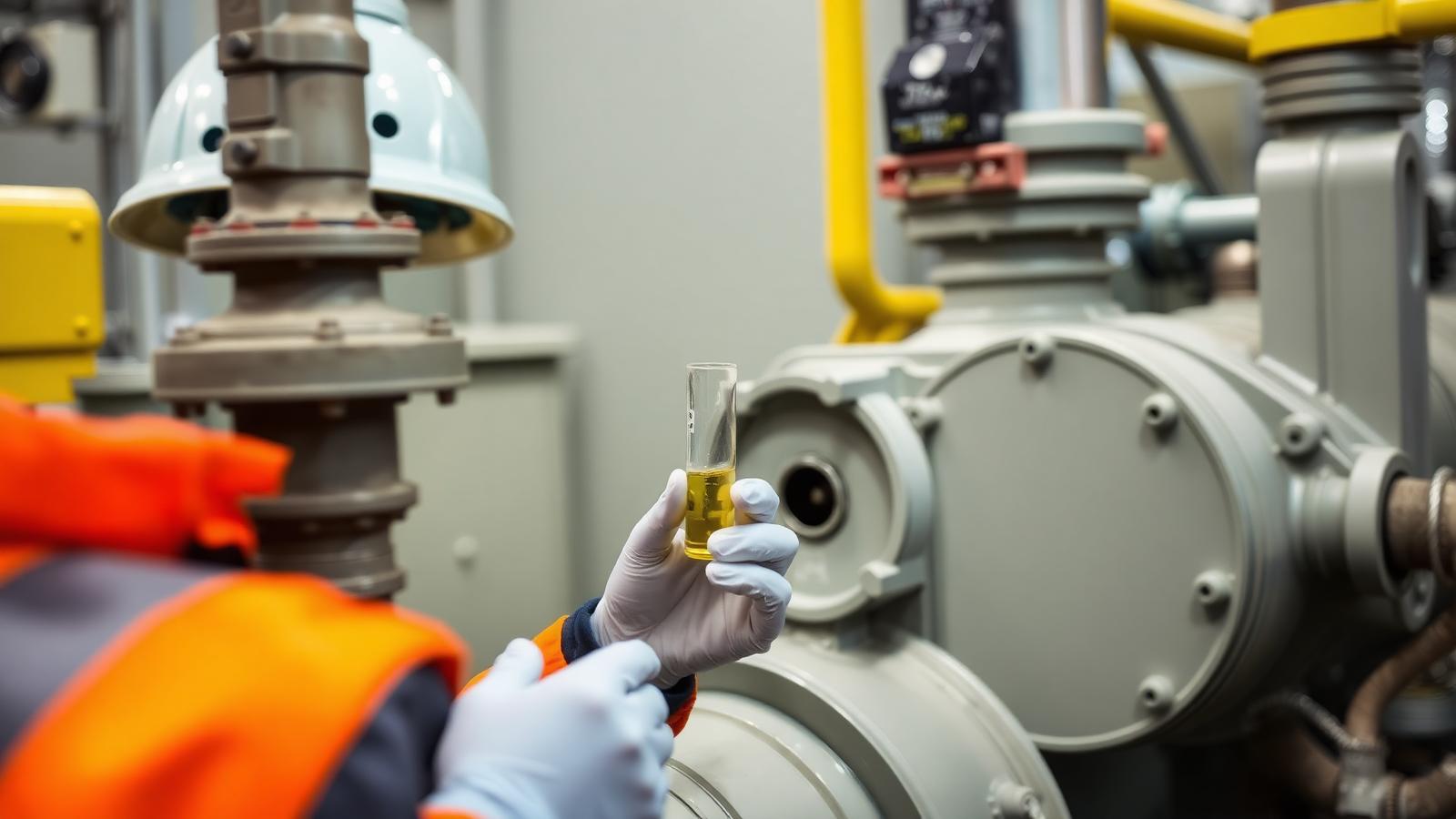
Prevention does not require sophisticated equipment or specialised expertise for most of it. Annual oil testing covering breakdown voltage, dissolved gas analysis, and moisture content gives a clear picture of insulation health and whether internal faults are developing. Thermographic scanning of bushings and connections identifies hotspots before they cause damage. Monitoring the actual load being carried against the nameplate rating confirms whether the transformer is being pushed beyond what it was designed for. None of this is expensive relative to the cost of an unplanned failure and the weeks of lead time that a replacement unit can require.
Transformers do not fail without warning. They warn repeatedly, through oil chemistry, through temperature, through sound. The only question is whether anyone is listening.
TransVolt Takeaway
TransVolt provides technical support and maintenance guidance for transformers in service. If your team needs help interpreting oil test results or assessing a unit showing unusual behaviour, reach out to our engineering team before the situation becomes an emergency.
Tell us what your project demands. Our engineering team will help you specify the right transformer from the start.
Connect With TransVolt