

The invisible challenge every transformer faces
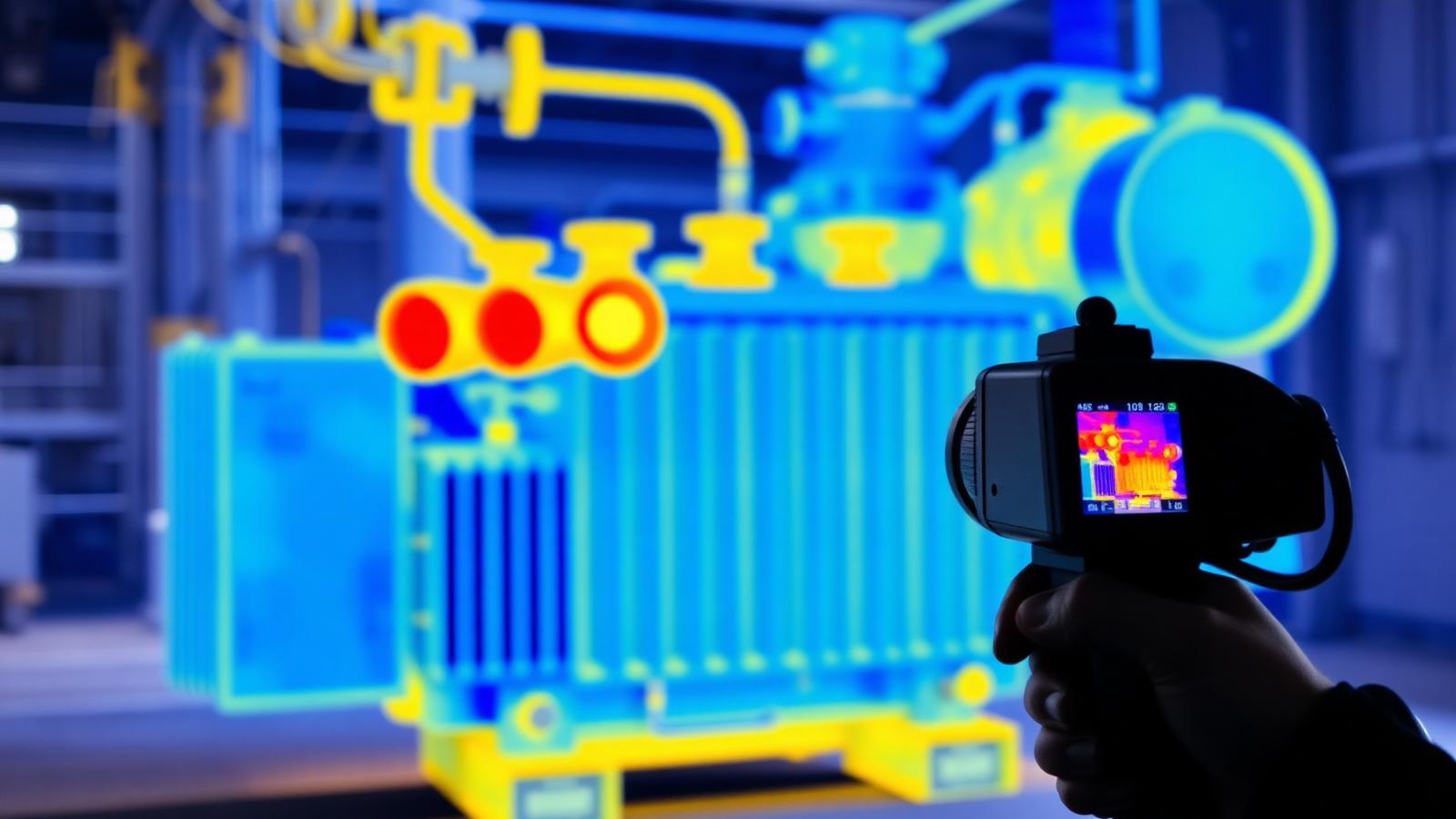
Heat is the silent adversary of every transformer. You cannot see it accumulating. You will not hear it until something has already gone seriously wrong. But thermal stress, left unmanaged, is the single most effective way to shorten a 30-year asset to 10. In severe cases, considerably less.
Heat inside a transformer has two sources, and both are unavoidable consequences of how the technology works. No-load losses occur in the core and are generated continuously, 24 hours a day, regardless of whether the transformer is supplying any load at all. Load losses occur in the windings and increase with the square of the current being carried. Both types are real, both contribute to the thermal environment inside the tank, and neither can be eliminated entirely. What careful design does is minimise them and ensure the heat they produce is managed effectively.
The component most vulnerable to thermal stress is the insulation. Electrical engineers use a long-established rule of thumb: every 8 degrees Celsius rise in operating temperature roughly halves the insulation life. This makes winding hotspot temperature the critical parameter to monitor, not ambient temperature and not average oil temperature. The hotspot is where degradation starts, and it is always hotter than the figures on the temperature gauge suggest. When insulation degrades, its ability to withstand electrical stress drops. The two failure mechanisms, thermal and dielectric, reinforce each other, and the process accelerates.
Transformers manage heat through their cooling system, which is classified under the IEC system by how oil and air move through the unit. ONAN relies on natural oil convection and natural air movement. ONAF adds forced air through fans mounted on the radiators. OFAN uses pumped oil circulation with natural air. OFAF uses both pumped oil and forced air for the most demanding thermal conditions. Selecting the right cooling class is not a detail to finalise after the main specification is agreed. It must reflect where the transformer will actually operate, what the ambient temperature will be, how the enclosure is ventilated, and what the load profile looks like across the day and across the seasons.
Manage the heat, and you protect the investment. Ignore it, and the transformer will tell you once, loudly, at the worst possible time.
TransVolt Takeaway
TransVolt thermal designs account for actual Indian ambient conditions, not standard assumptions. When you specify a TransVolt unit, the cooling class is selected for where it will actually operate, not where it would be comfortable.
Tell us what your project demands. Our engineering team will help you specify the right transformer from the start.
Connect With TransVolt