

The next generation of transformer technology
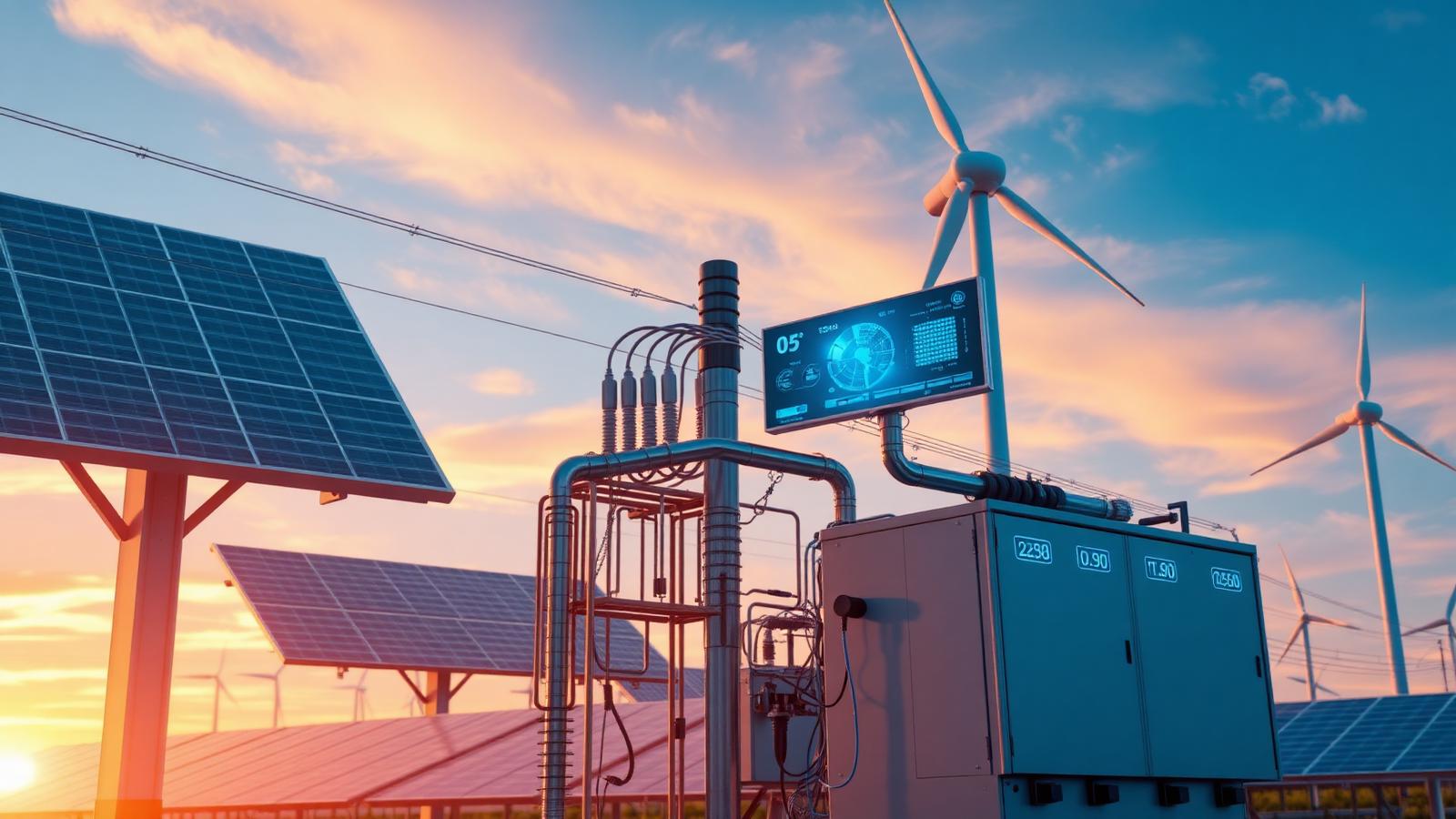
The transformer sitting in your substation today looks almost identical to one built 40 years ago. The steel tank, the bushings, the conservator on top, the cooling radiators along the sides. From the outside, the form has barely changed. But the industry around it is changing rapidly, driven by shifts in how electricity is generated, how it is consumed, and what the grid is being asked to do, and the transformer is at the centre of all of it.
Renewable energy is the single most significant driver of change. The grid that transformer technology was developed to serve was built around large, centralised power stations producing predictable, unidirectional flows of electricity. That grid is being fundamentally restructured to accommodate solar and wind generation that is distributed across thousands of locations, variable in output, and increasingly capable of feeding power back into the network rather than simply consuming it. Every node in this new grid structure needs a transformer, and the specifications those transformers must meet are in some cases quite different from what the previous generation required.
New technologies are already moving from pilot projects into mainstream deployment. Amorphous core transformers use a different core material that dramatically reduces no-load losses compared to conventional CRGO steel, making them particularly valuable in distribution applications where the transformer runs continuously at low or zero load for extended periods. Ester-based insulating fluids are replacing mineral oil in applications where fire safety, environmental risk, or extended service life are priorities. They have a higher fire point, they are biodegradable, and they extend insulation life relative to mineral oil under equivalent operating conditions. Online condition monitoring, using temperature sensors, dissolved gas analysis devices, and load profiling systems connected directly to the transformer, is transitioning from a premium option into an expected feature for utility and large industrial buyers.
What does not change, and will not change, is the importance of the underlying engineering. The physics of electromagnetic induction is not a technology that gets disrupted. The quality of the core material, the precision of the windings, the integrity of the insulation system, these remain the foundations on which everything else is built. A transformer equipped with sophisticated monitoring but built with substandard materials is still a poorly built transformer. The future of power is more connected, more efficient, and more intelligent, but it still depends on the same thing it always has. A well-built transformer at the heart of the system. That is where TransVolt begins.
TransVolt Takeaway
TransVolt is actively developing its range to meet the demands of India's energy transition, including high-efficiency designs, ester fluid options, and monitoring-ready configurations. The next generation of power infrastructure deserves transformers built for it.
Tell us what your project demands. Our engineering team will help you specify the right transformer from the start.
Connect With TransVolt